Lovesick
Soho Revue, April - October 2026
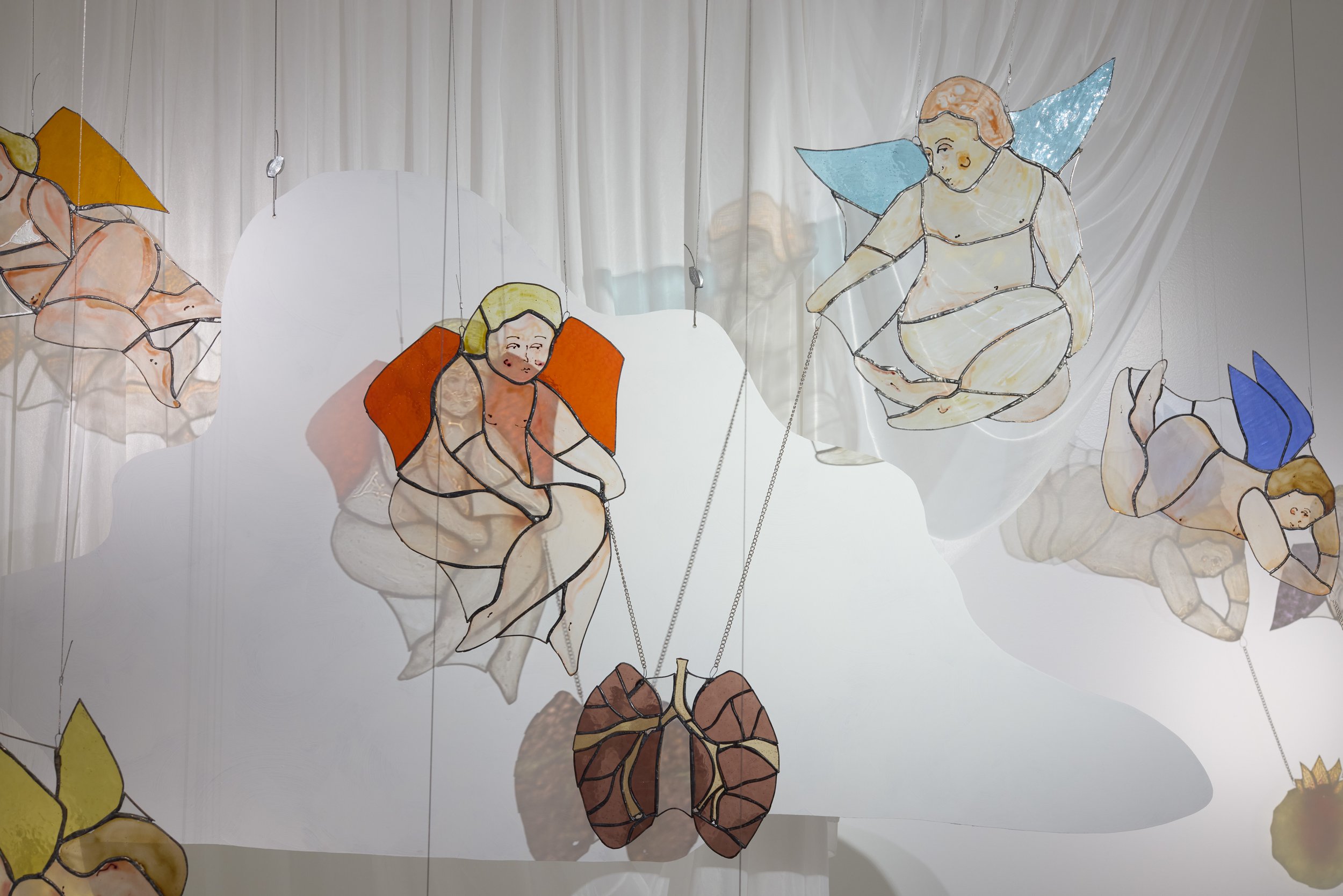
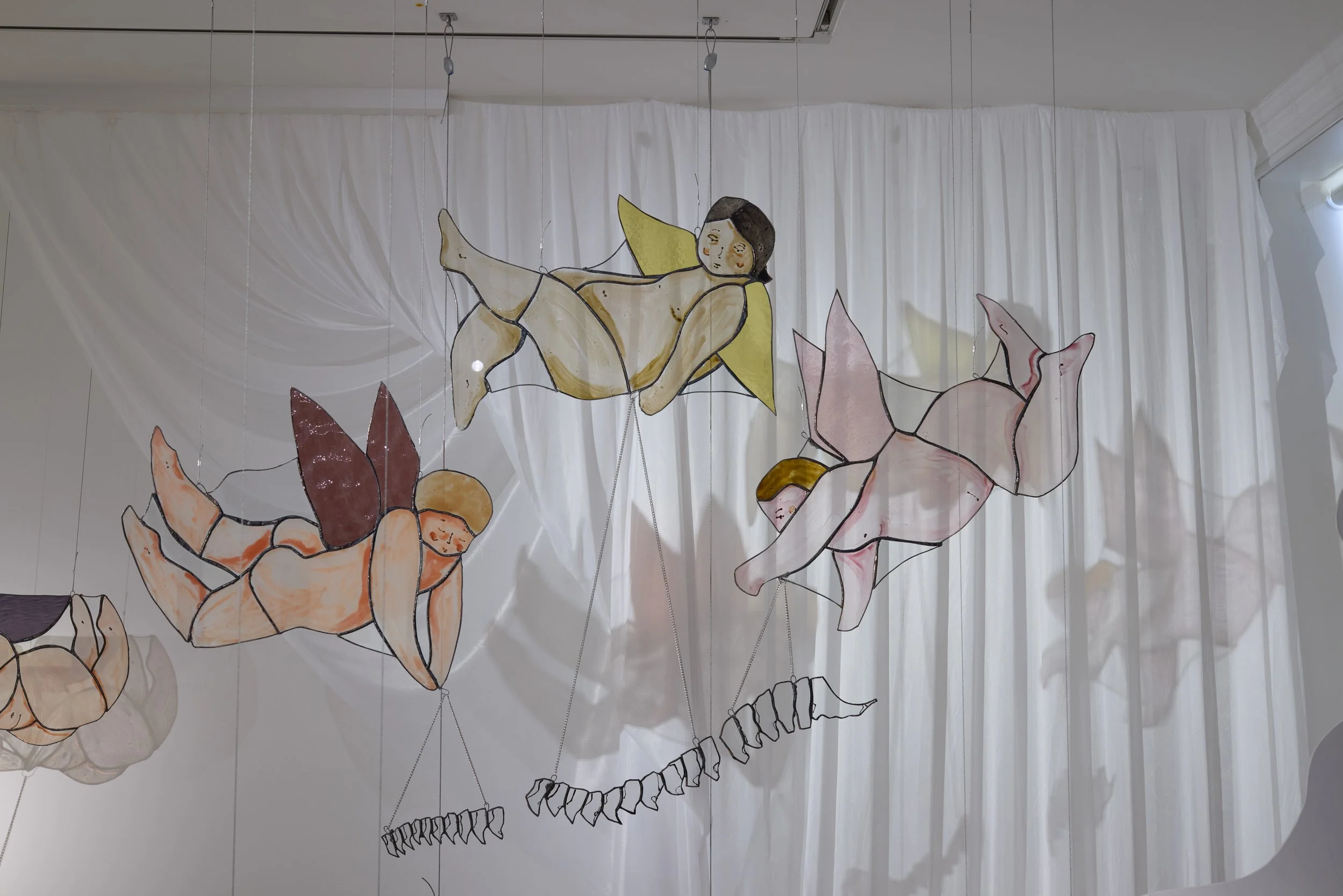
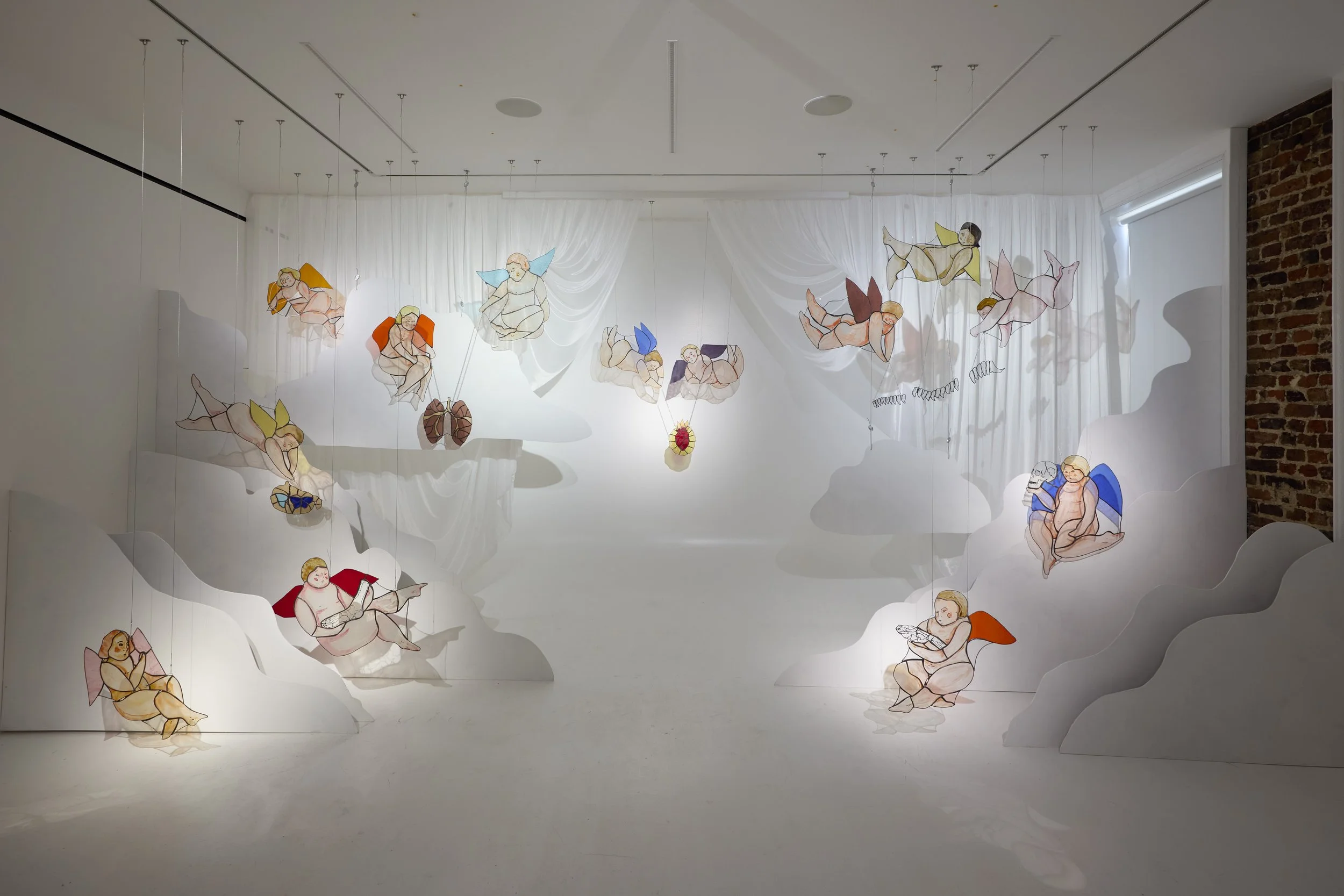
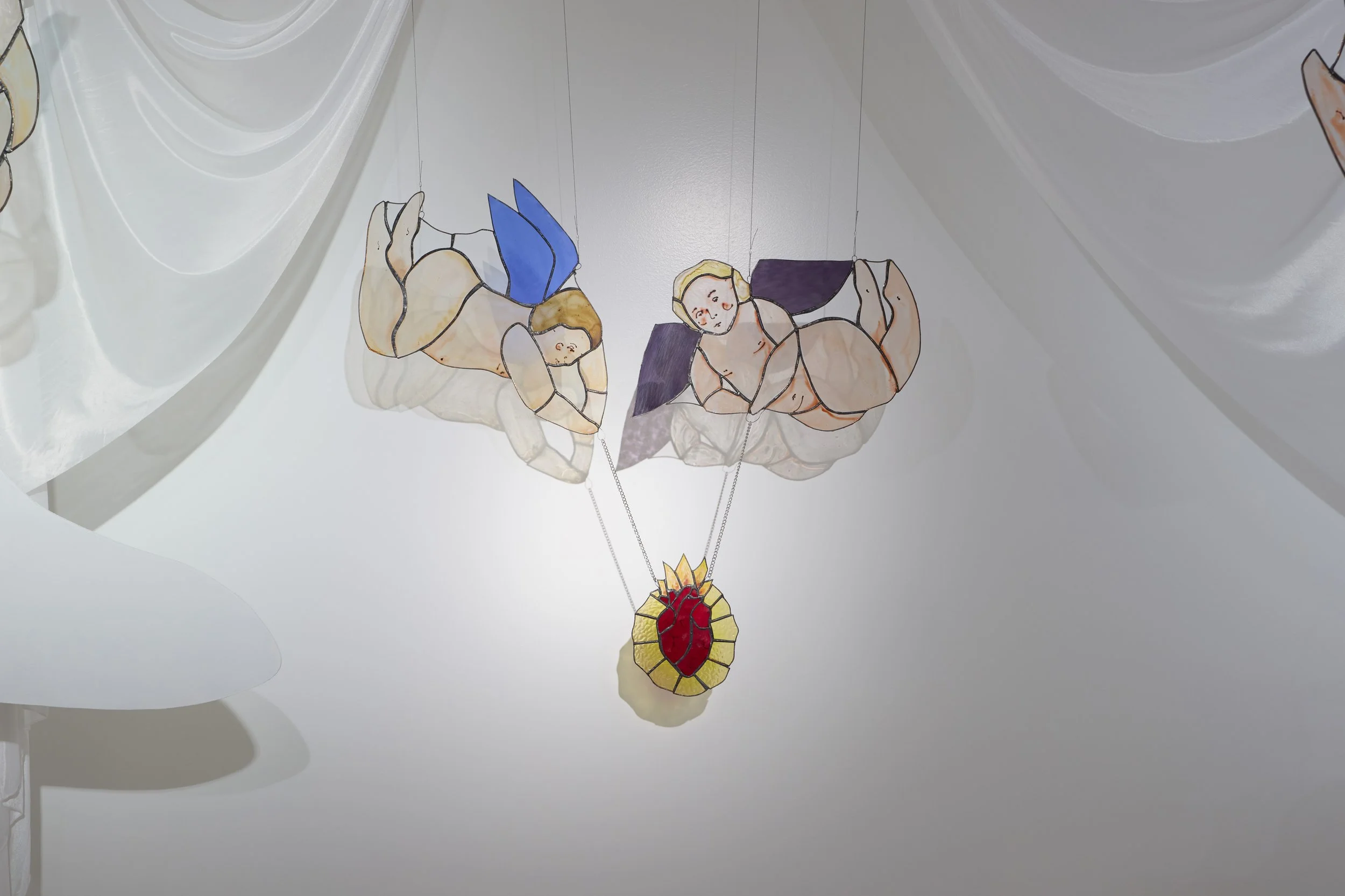
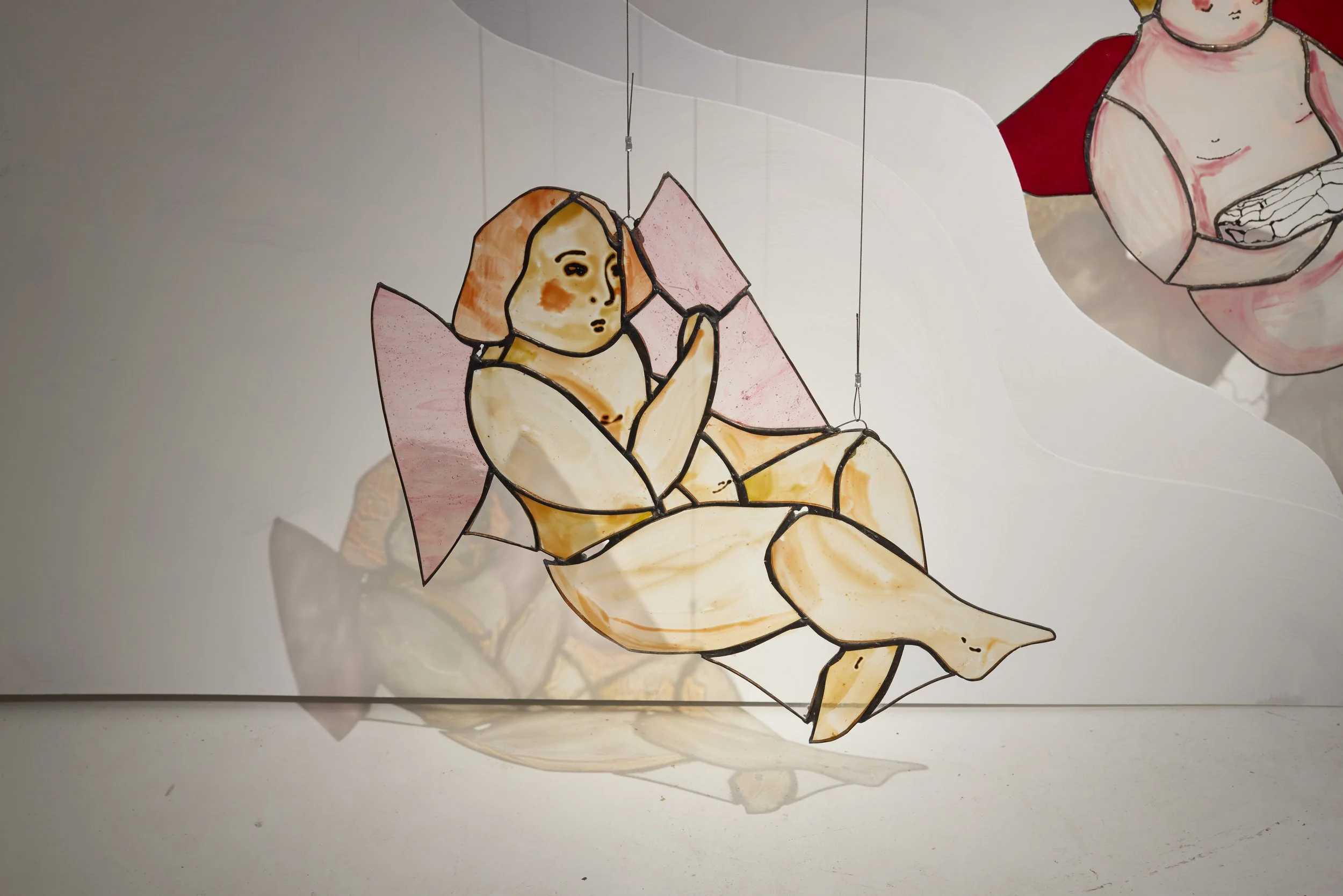
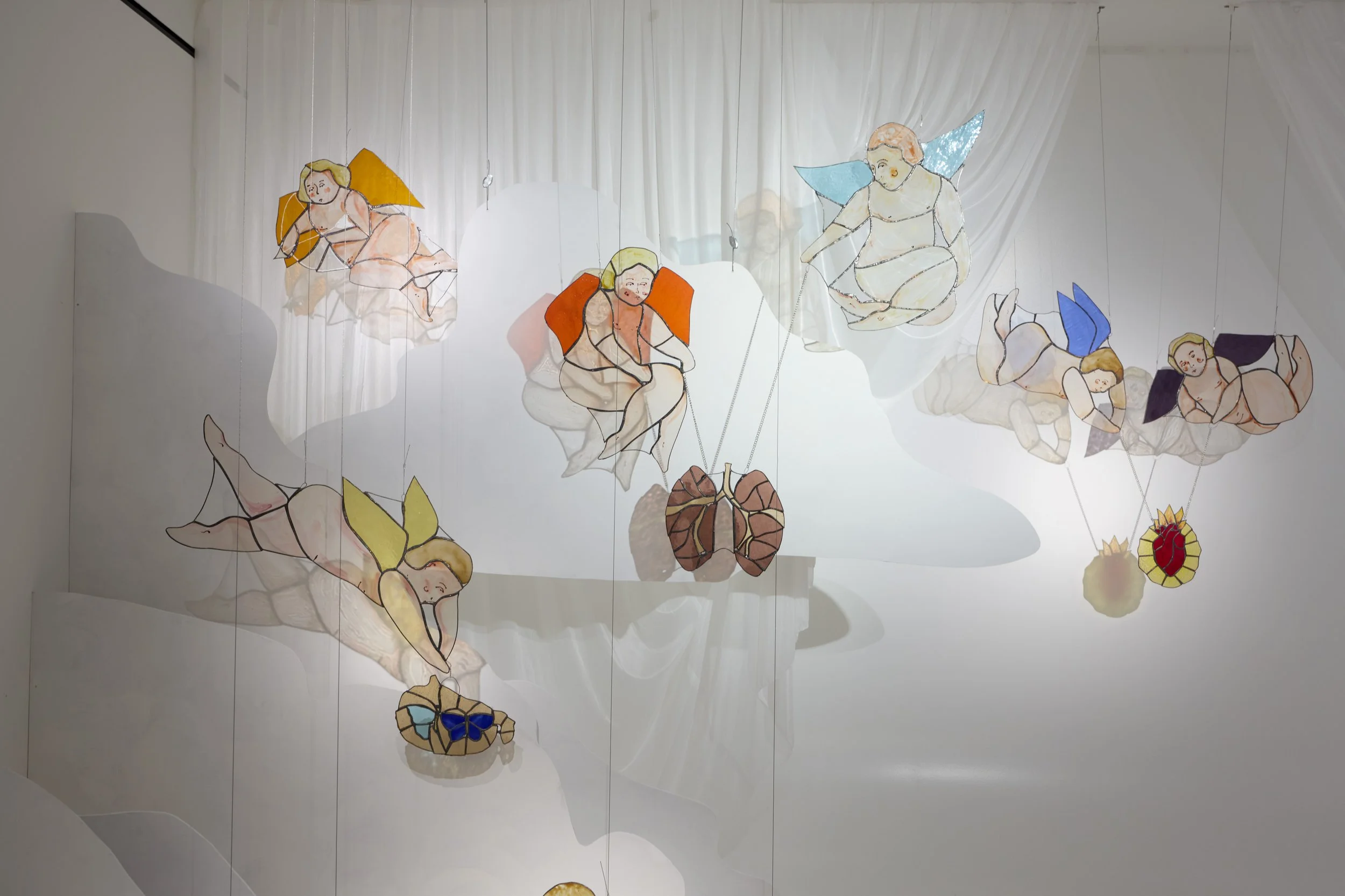
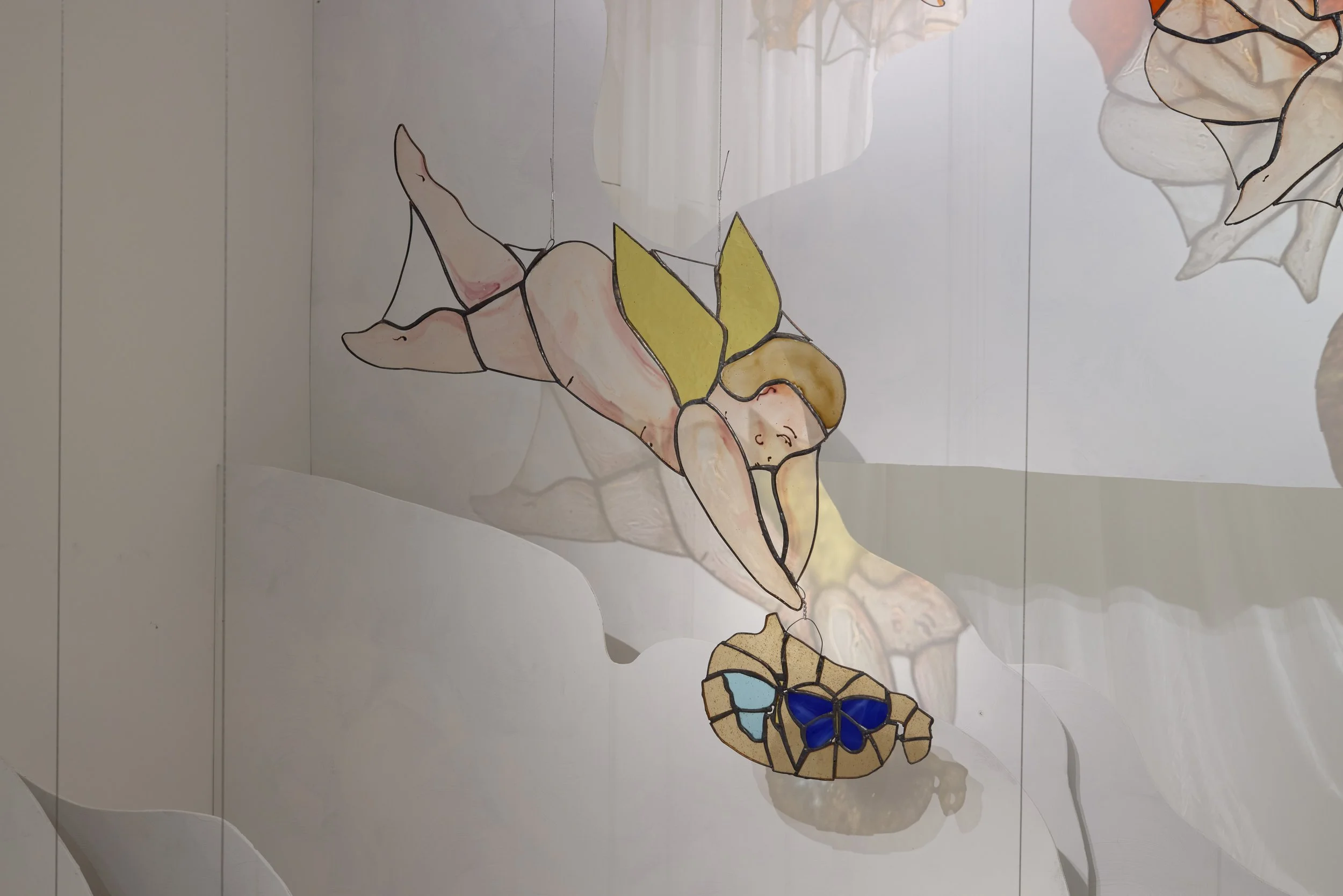
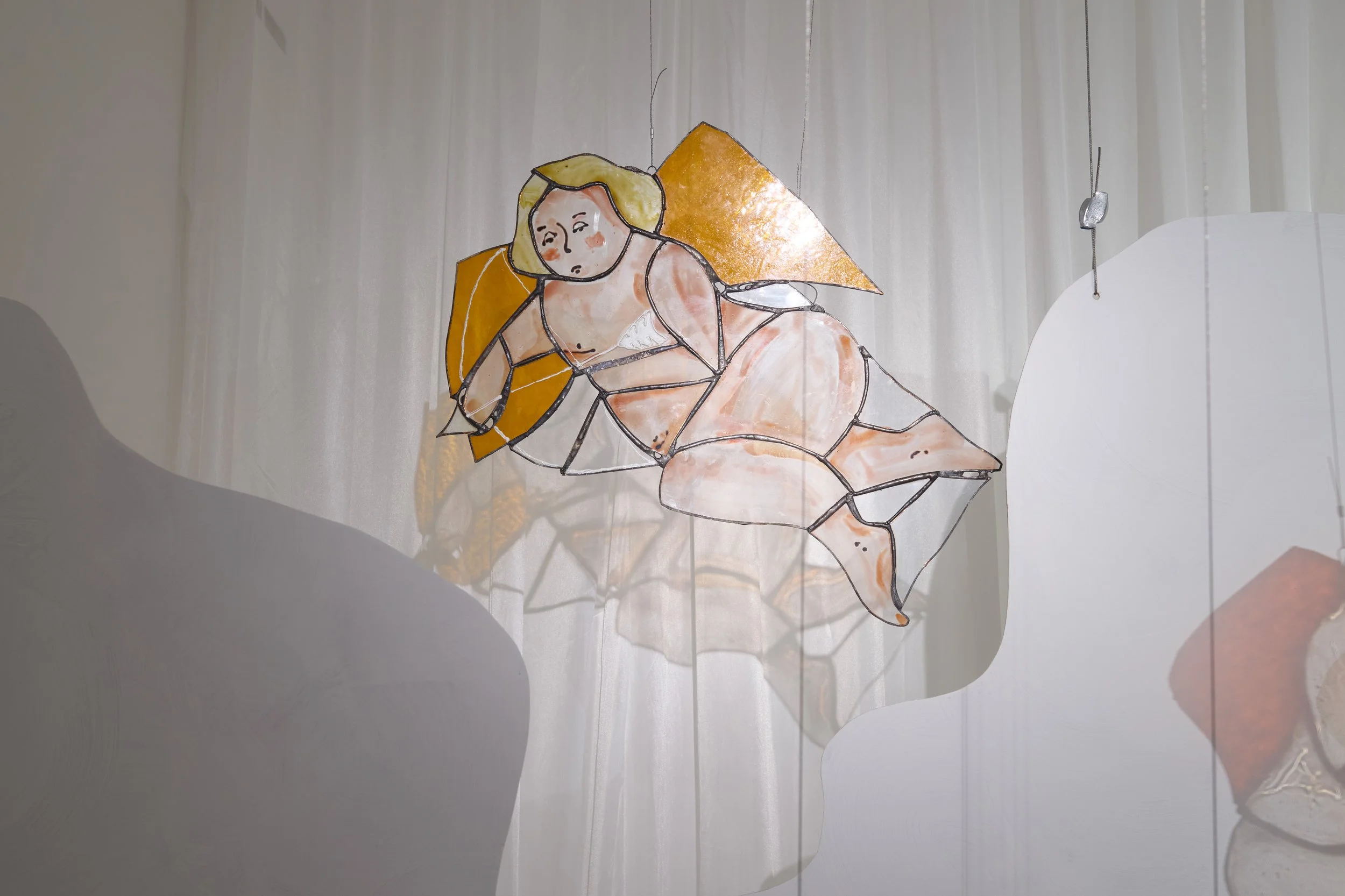
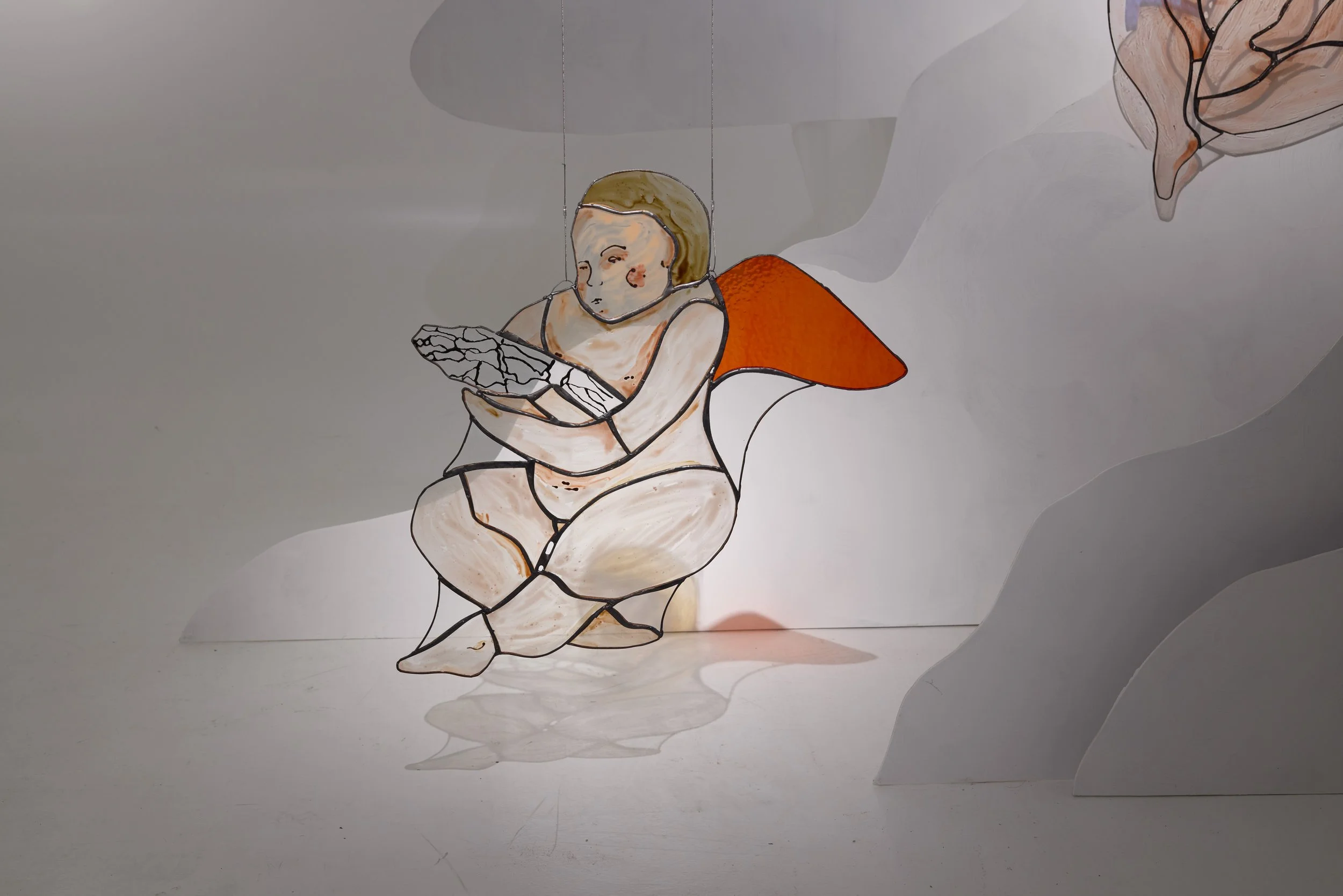
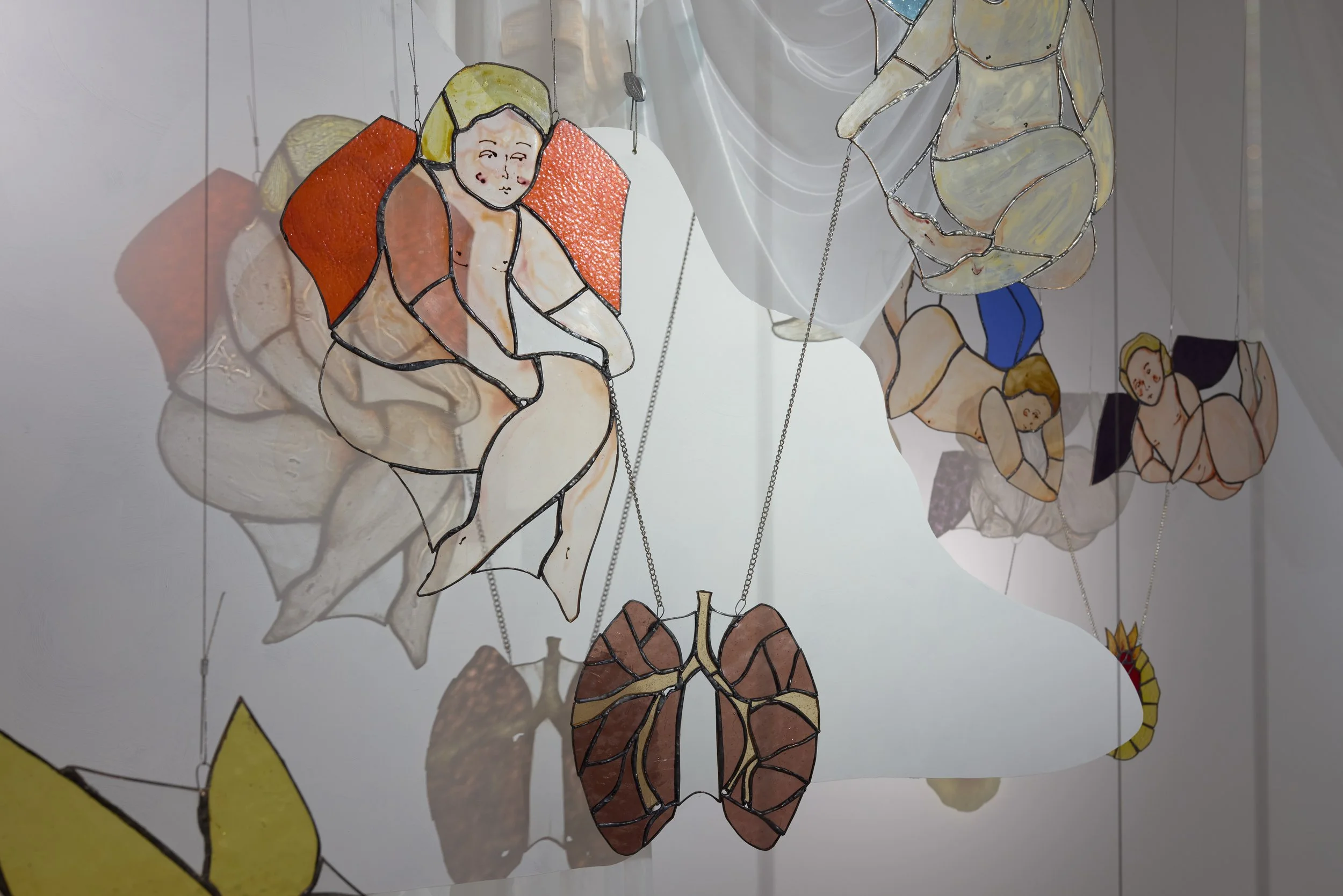
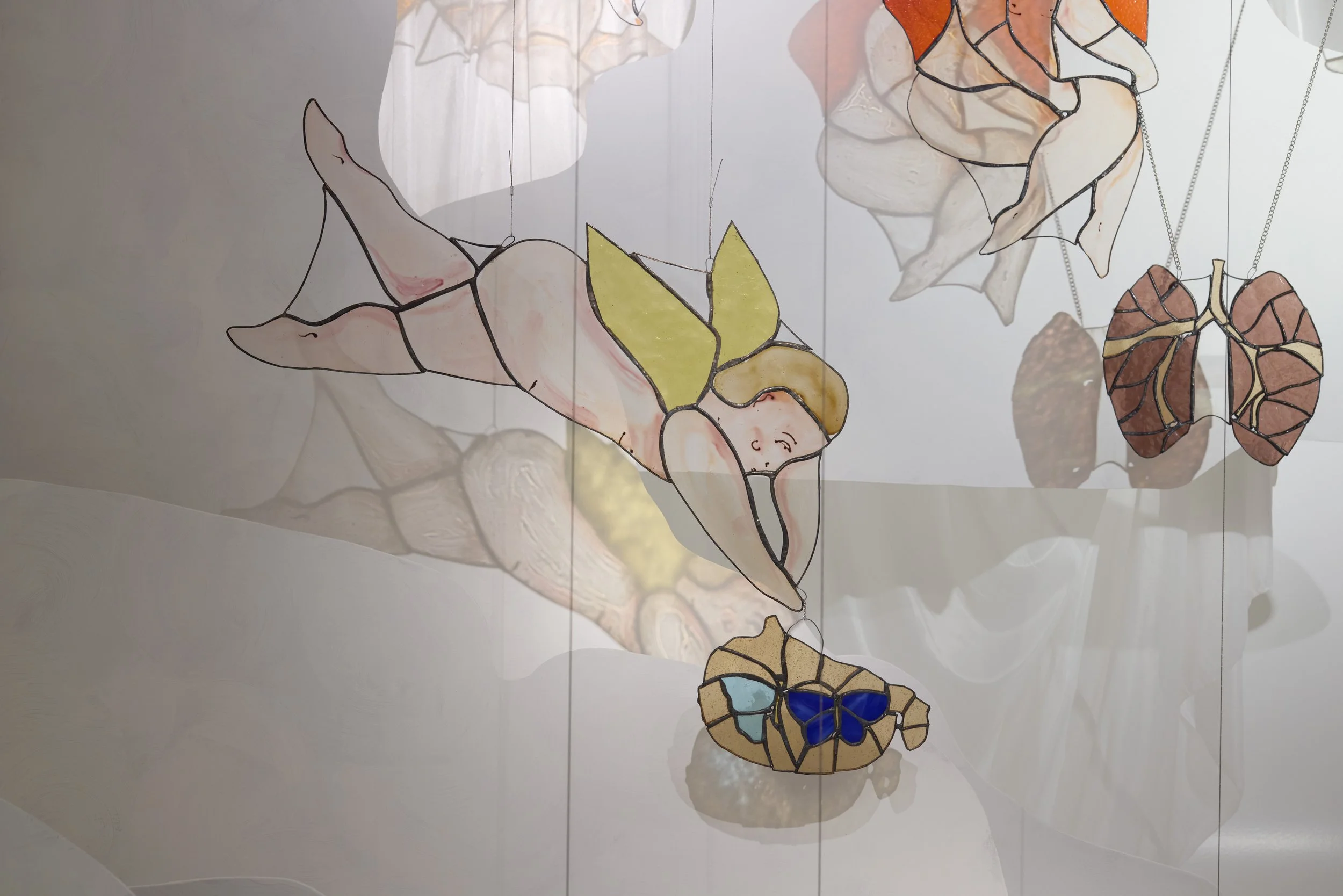
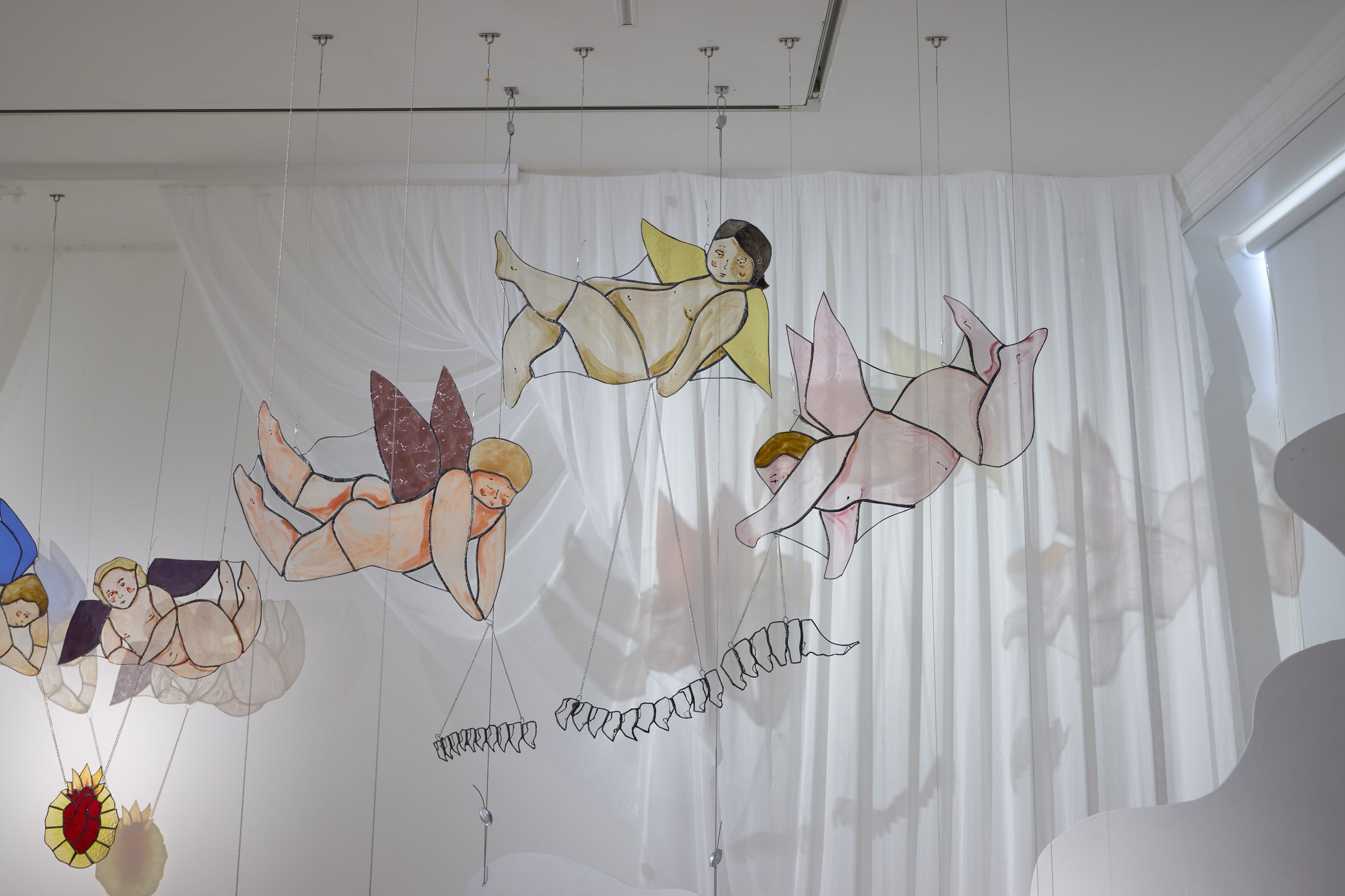
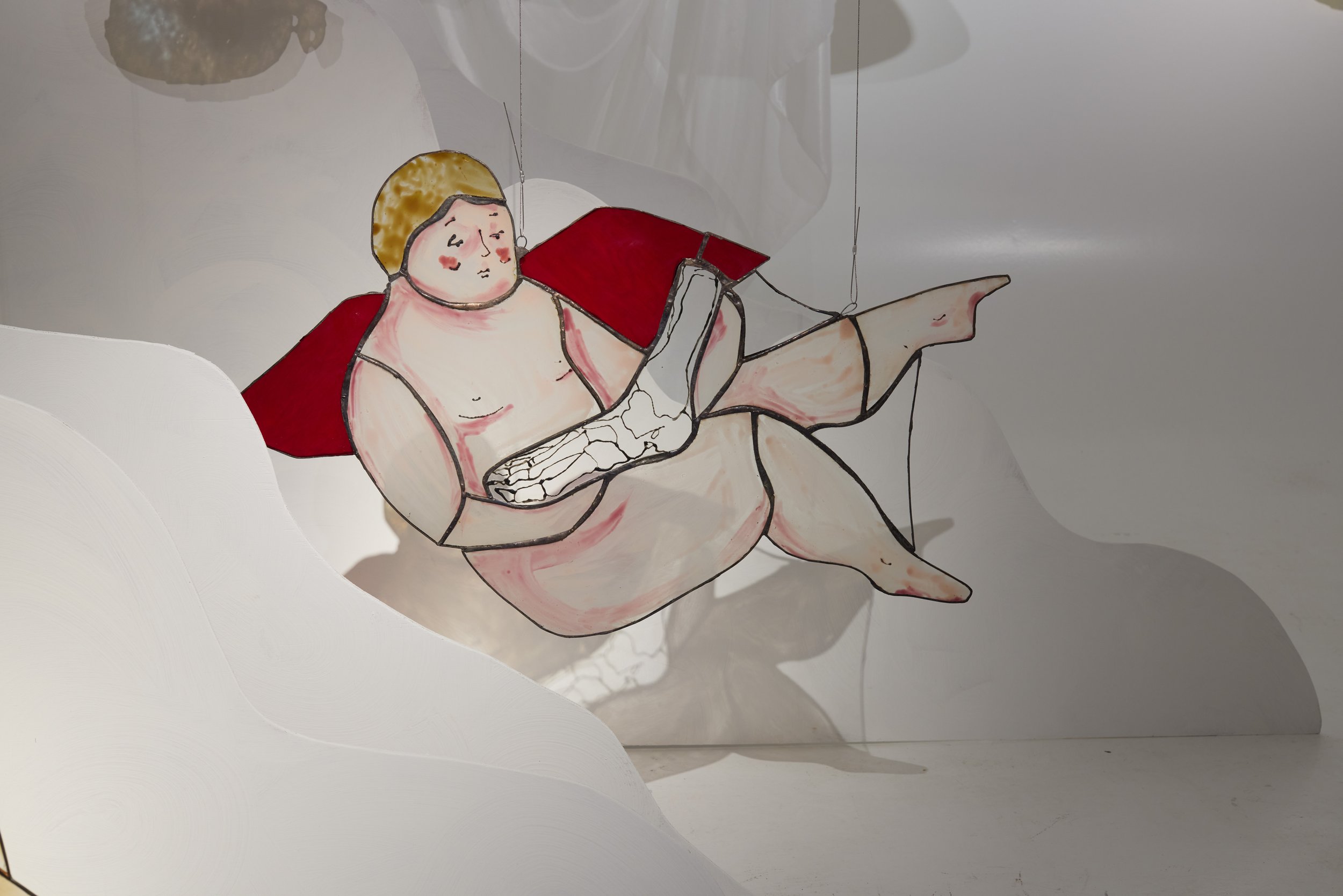
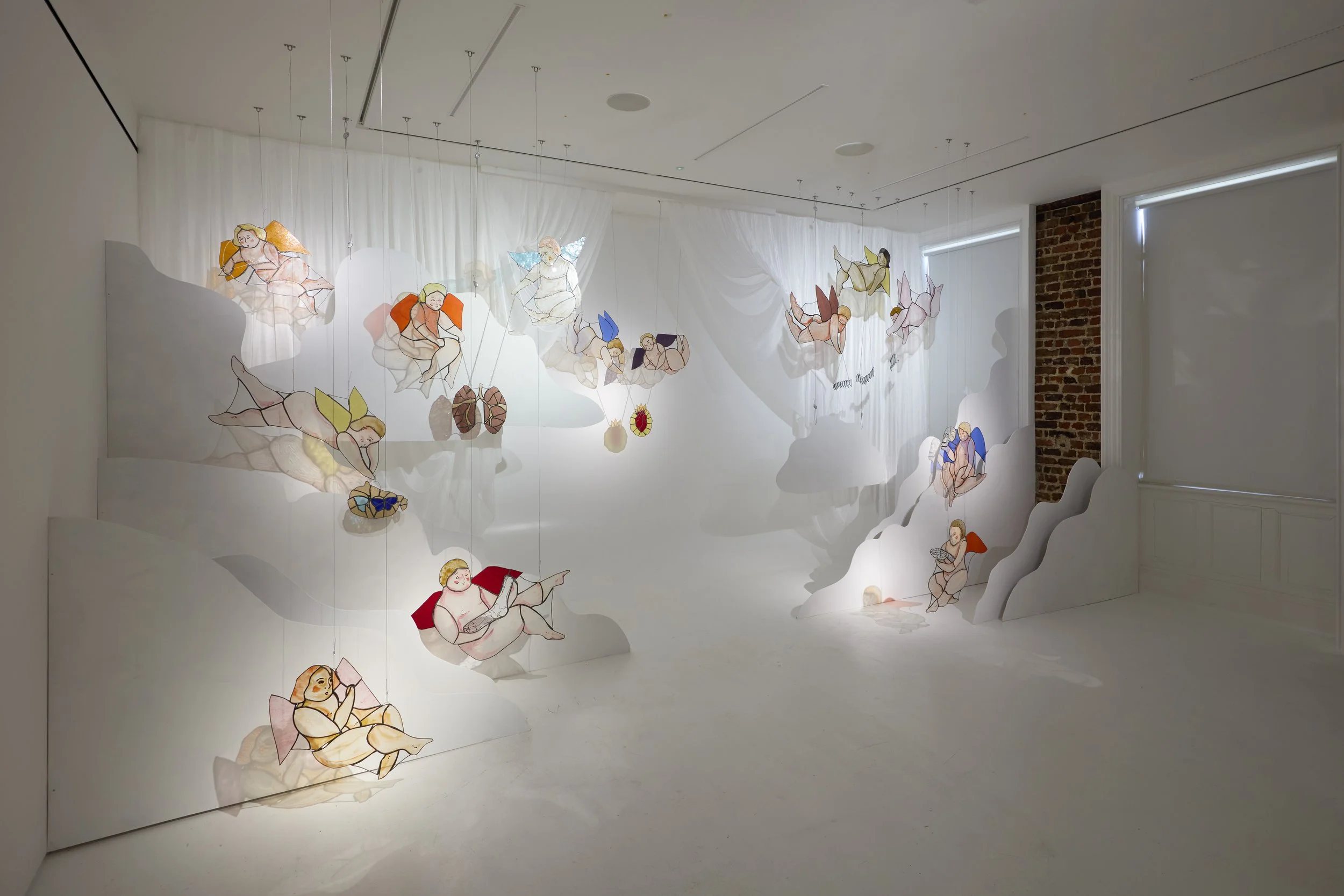
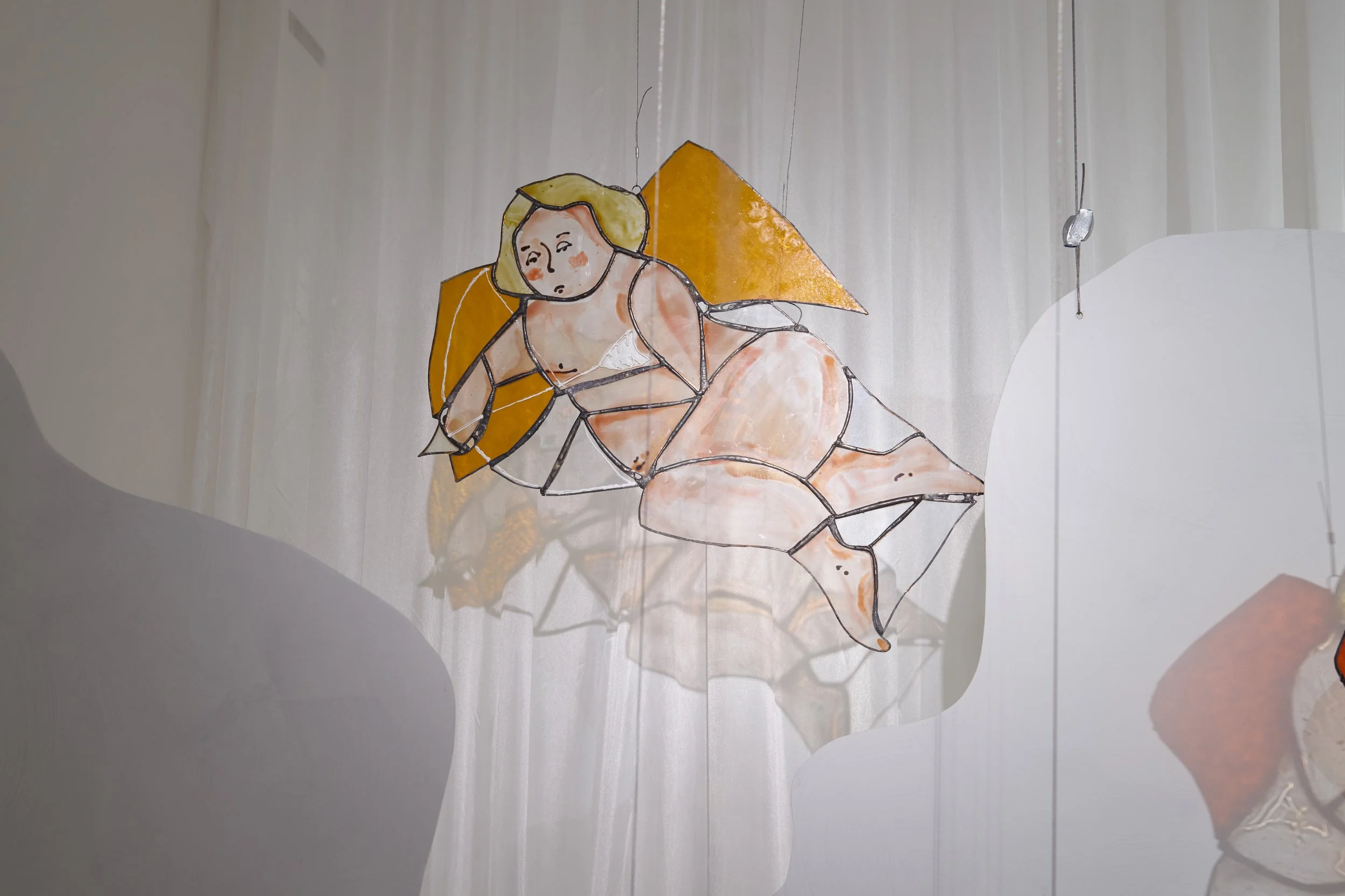
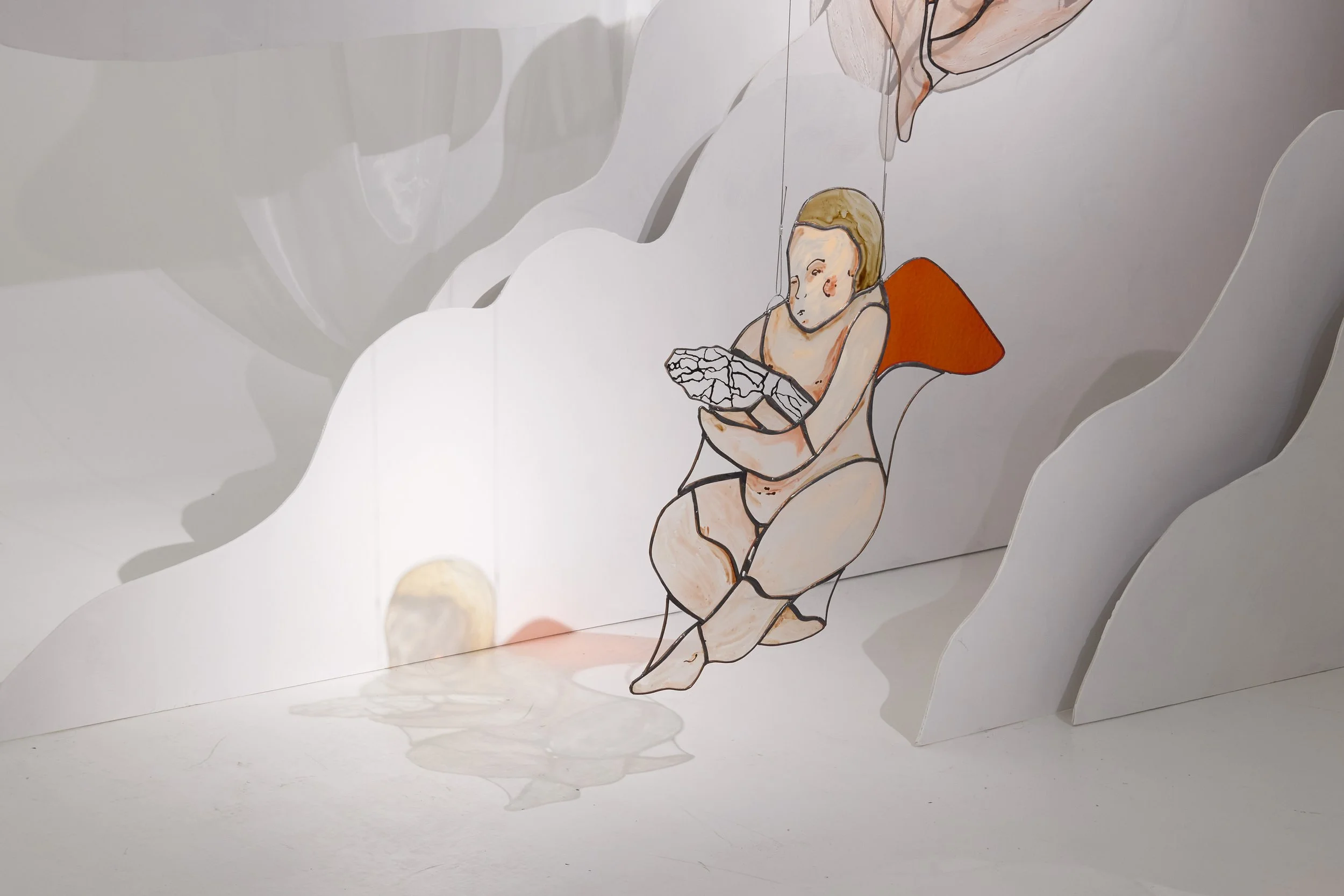
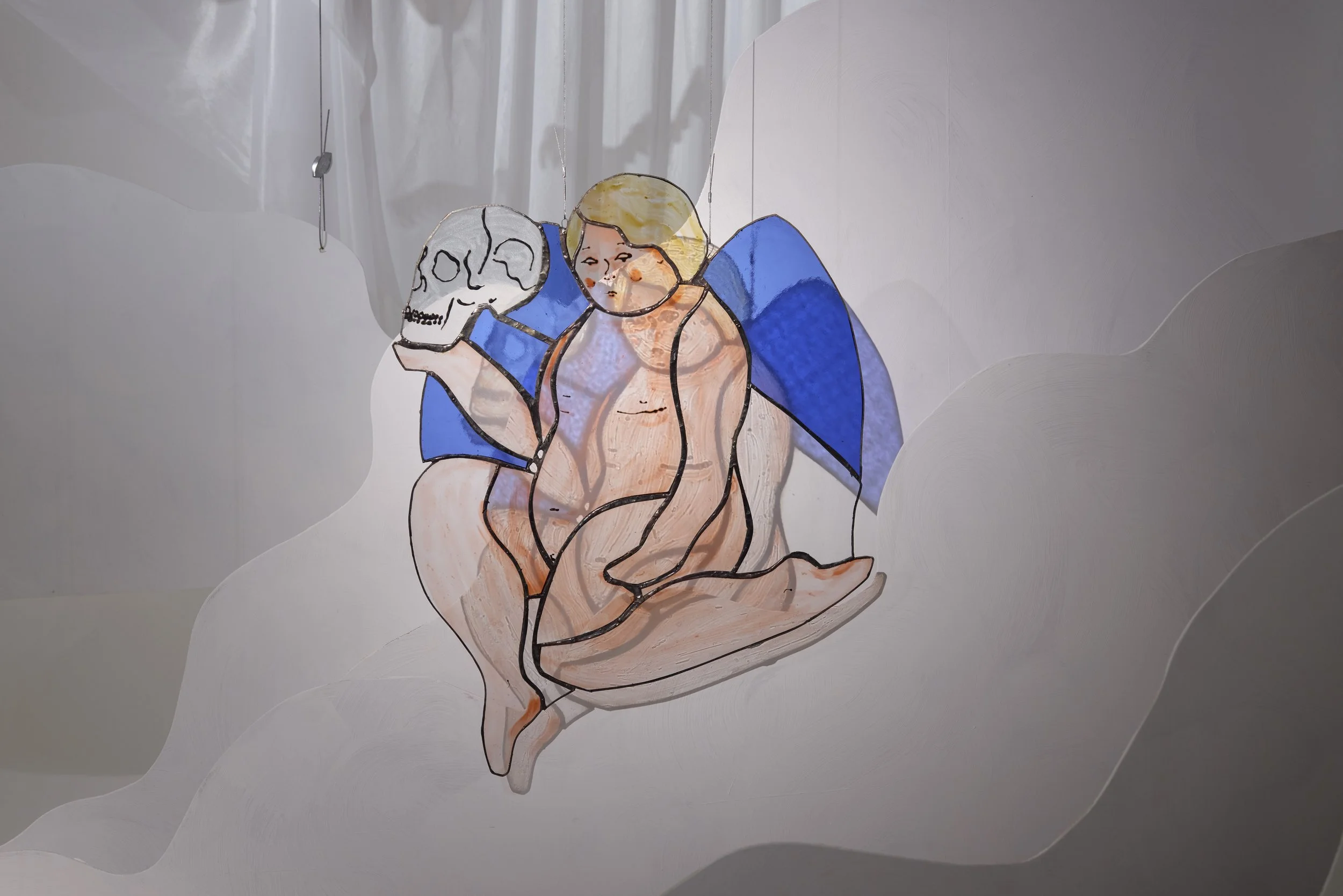
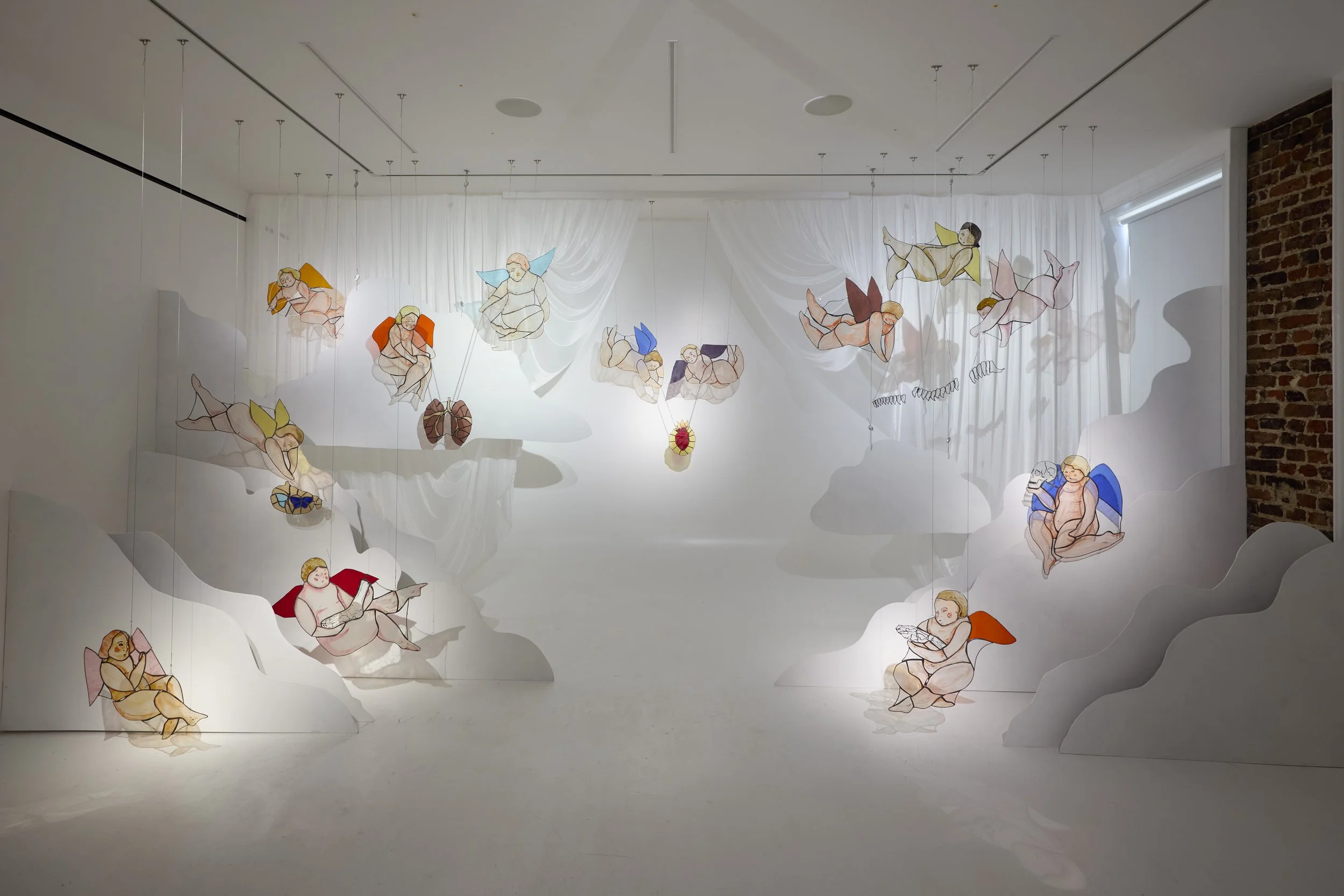
Lovesick transforms the space into a devotional stage set, a heavenscape through which visitors are invited to move as both audience and pilgrim. Within this immersive environment, stained glass cherubs and fragmented parts the human body that echo relics, evoke medieval devotional objects, courtly romance and the ecstatic writings of Christian mystics. Each sculptural fragment represents a part of the body afflicted by lovesickness, drawing on the medieval understanding of desire as both a spiritual and a medical condition.
The Christian mystics experienced the divine through the body. Visions were not abstractions but visceral events. Angels pierced Saint Teresa with arrows of fire. Ecstasy was felt in the flesh. Scholar Mary Wack has traced the parallels between the symptoms of religious rapture and those of lovesickness, a condition widely diagnosed in the Middle Ages. Trembling, sleeplessness, fixation, longing and bodily weakness were understood as signs of both romantic obsession and spiritual yearning. In both traditions, the cure lay in contemplation and surrender.
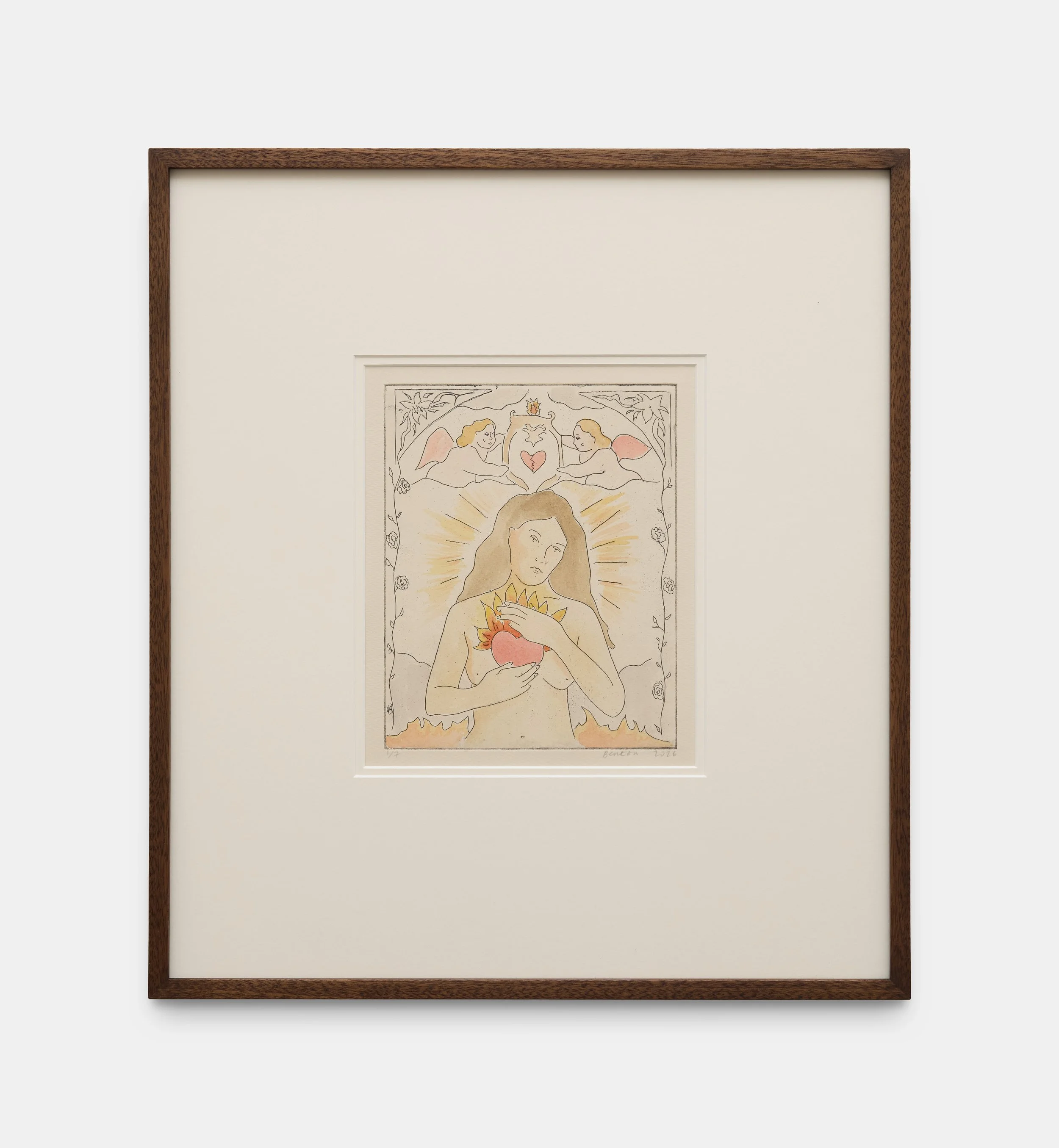
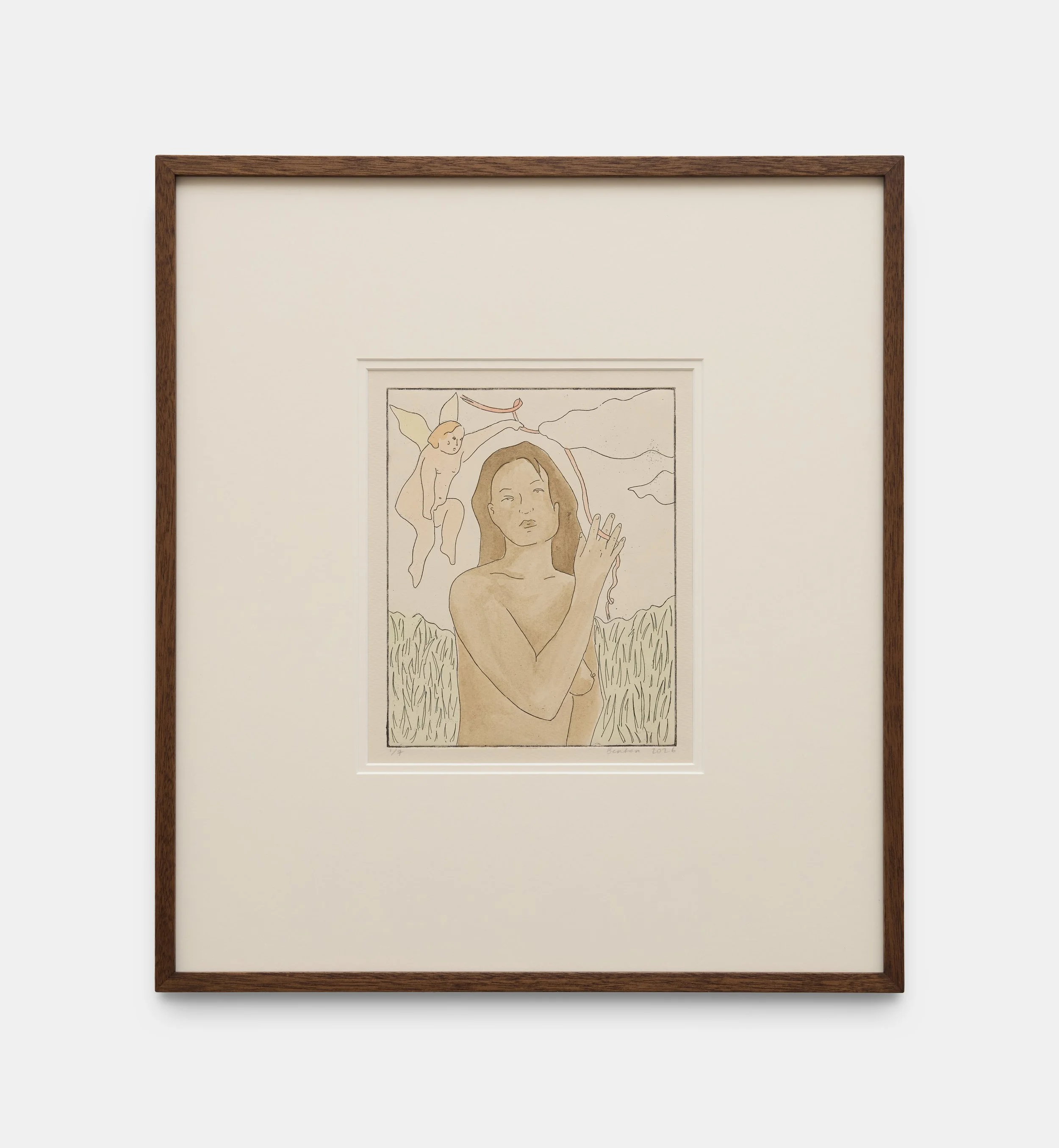
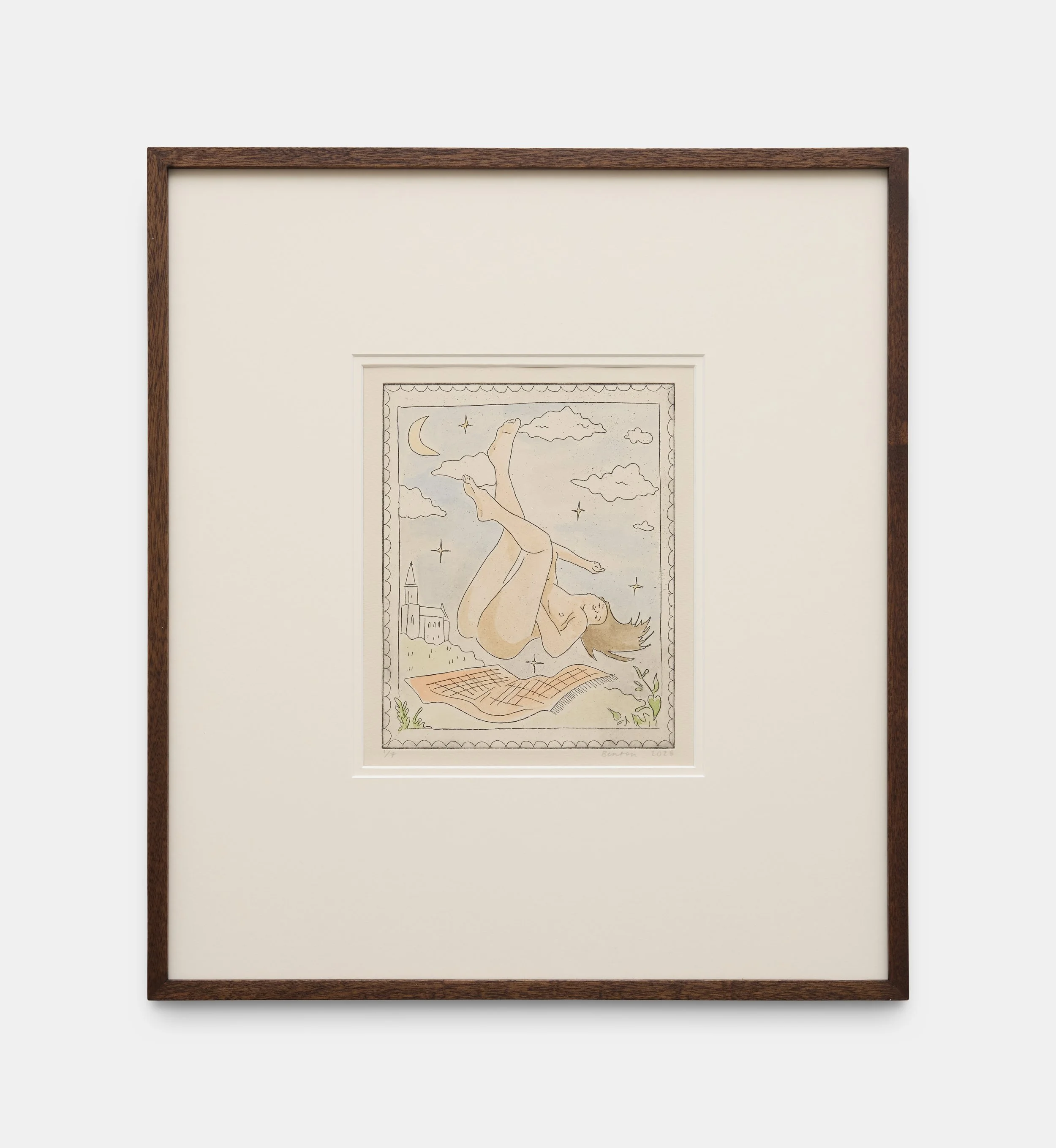
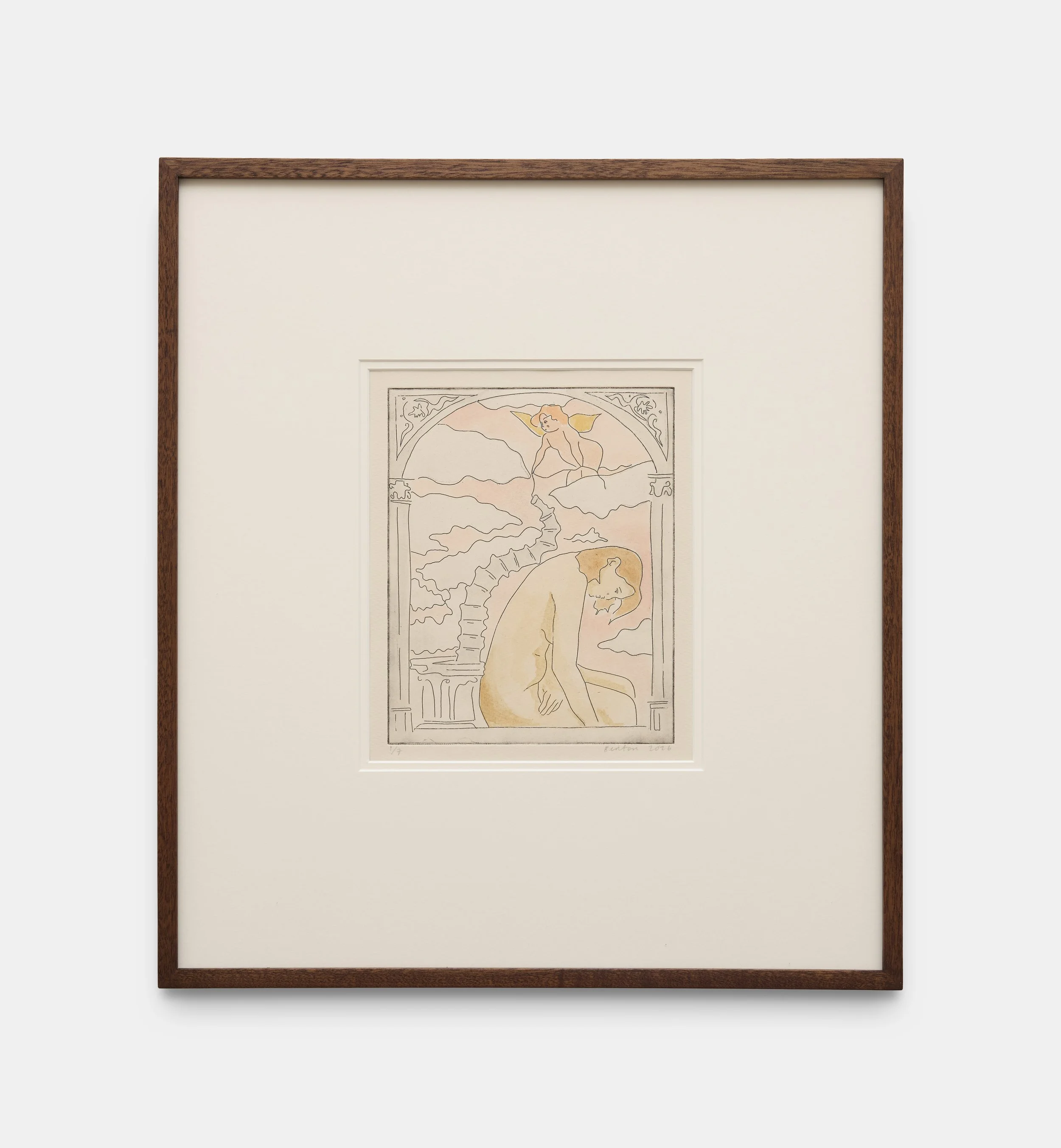
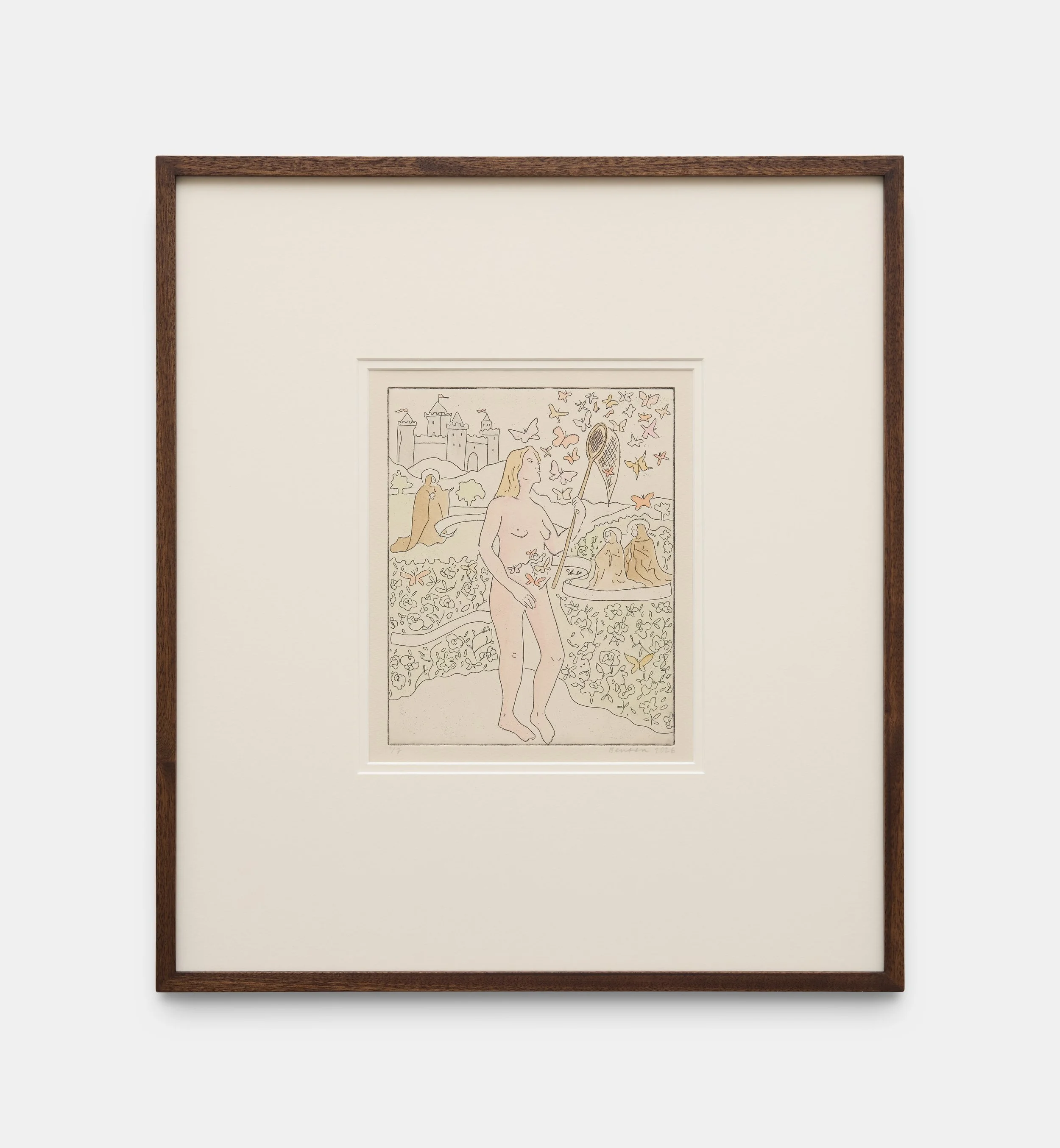
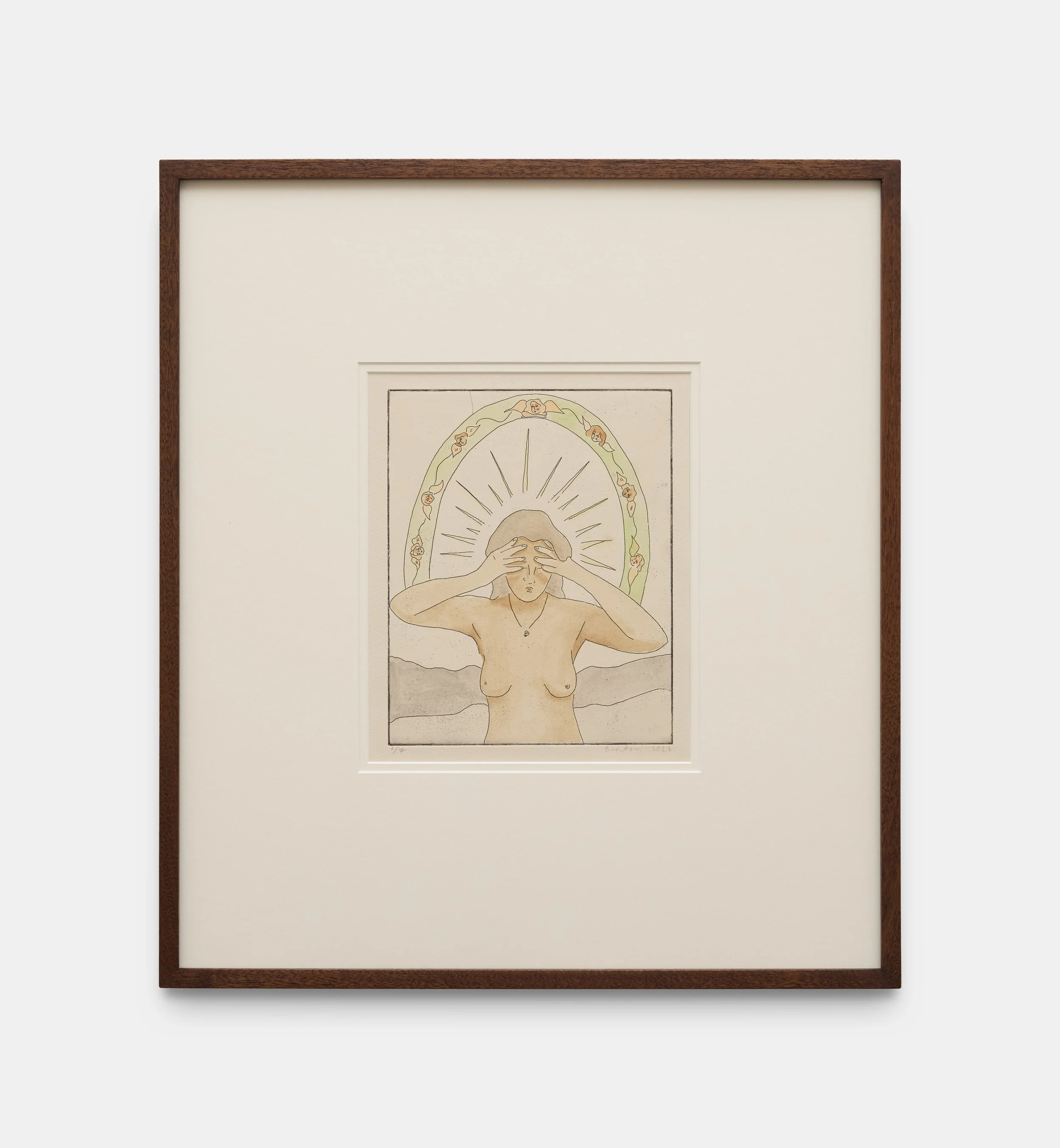
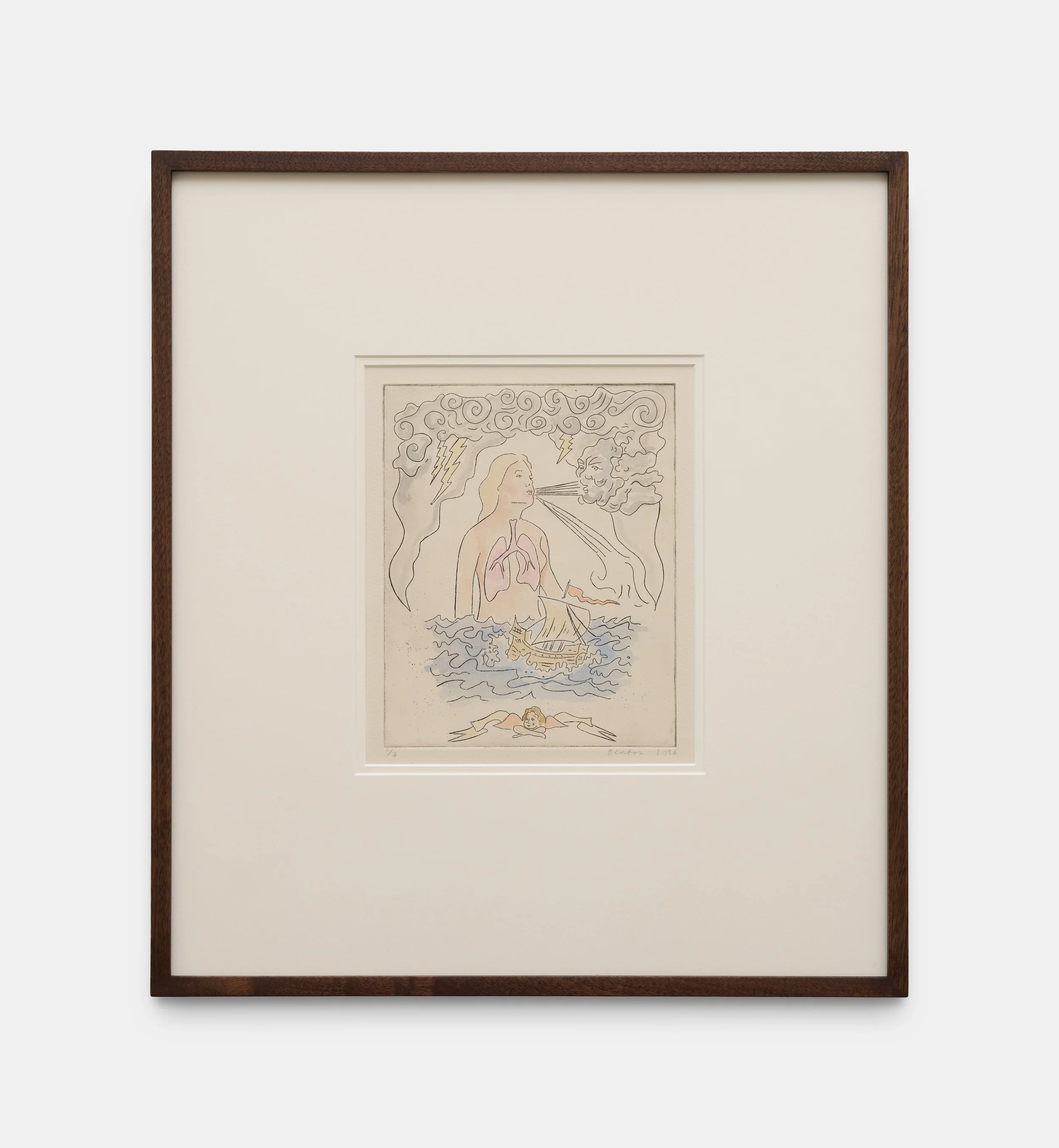
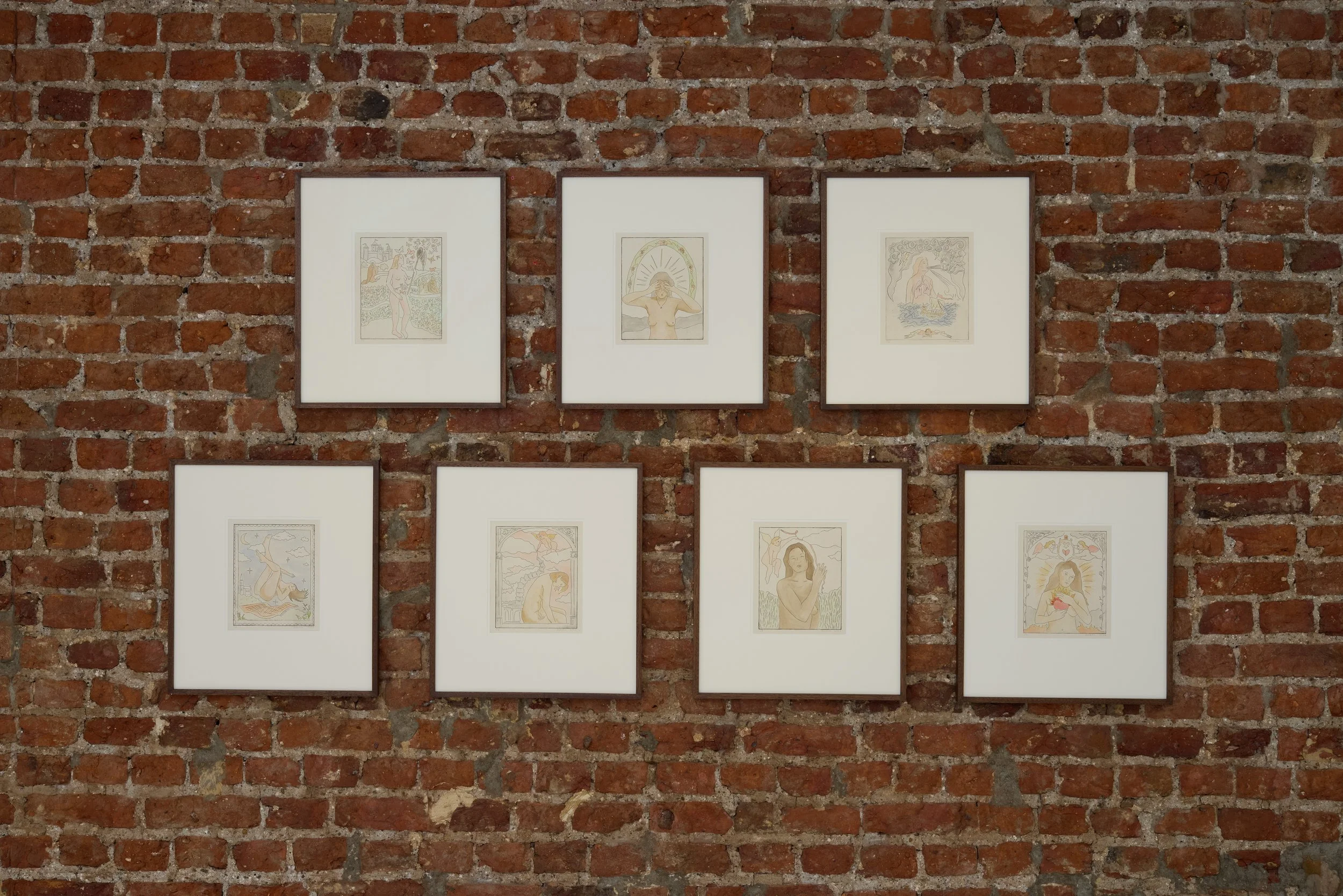
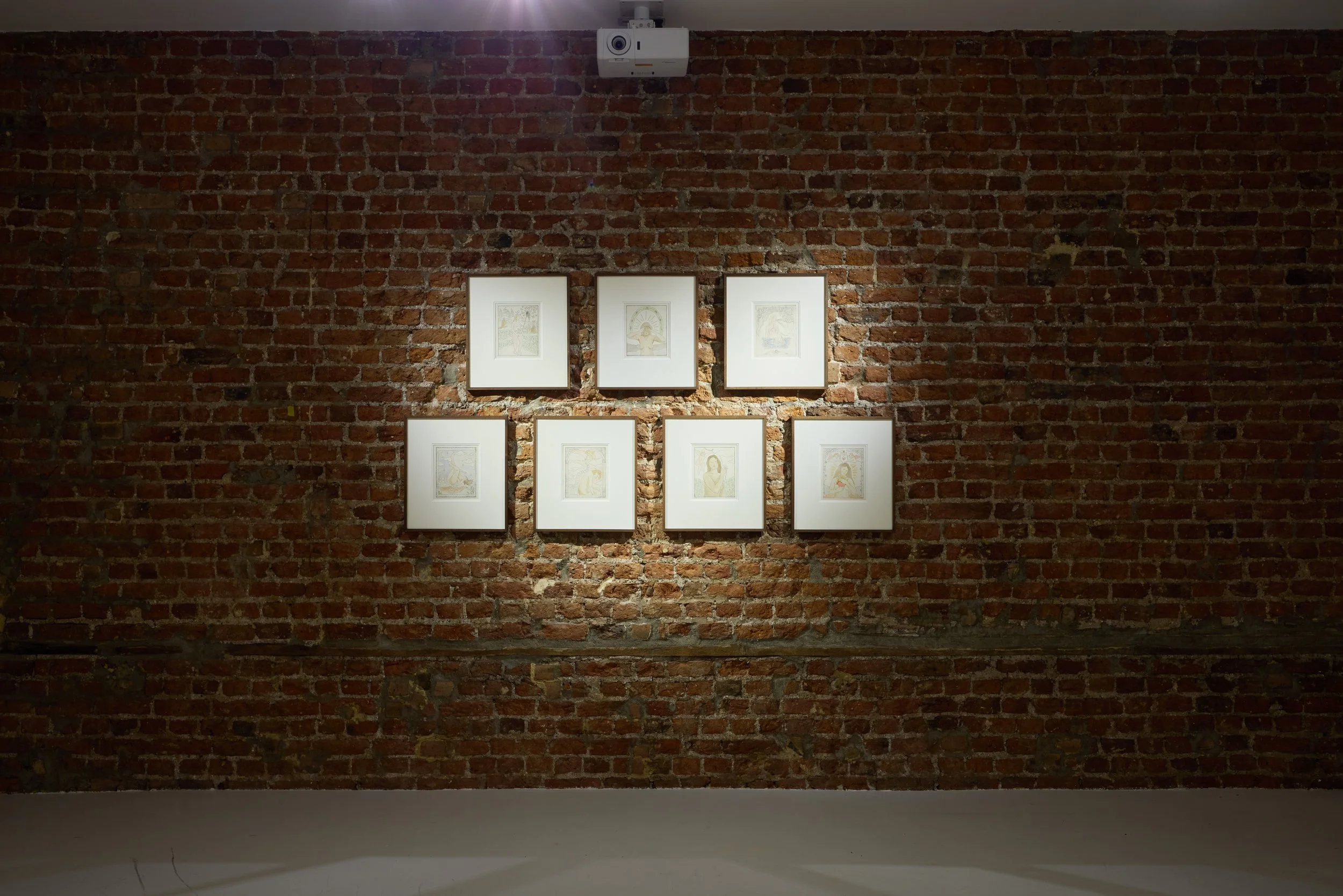
This installation unfolds in seven vignettes within the larger heavenscape. Visitors enter the set and encounter seven reliquaries rendered in stained glass, each corresponding to a specific bodily site of longing. Alongside the installation, a series of seven etchings will mirror these fragments. The etchings and accompanying guidebook,The Cure To Lovesickness, conceived as an ancient medical manual for the yearning heart. Within its pages, stage directions outline seven spiritual exercises, inviting participants to meditate upon each bodily fragment in turn.
The structure of the work draws upon the contemplative practices of medieval mystics, who described a series of steps or stages leading toward union with the divine. These practices required an imaginative and embodied engagement with suffering, particularly the suffering of Christ. Mystics sought not only to understand but to inhabit these experiences, immersing their senses and bodies in acts of devotional empathy. In parallel, the literature of courtly love framed romantic longing as a quest, structured by trials, delay and idealisation. Both traditions position desire as a path, at once painful and transformative.
Within this spiritual theatre of love, visitors become players. They move through the set as if progressing through scenes of a devotional drama. Each act focuses attention on a specific bodily experience of lovesickness; butterflies in your stomach, your breath taken away, your heart aflame. Through contemplation, the pilgrim is invited to confront the physicality of longing and to transmute it. The culmination of the seven acts gestures toward release, a state beyond heartbreak that echoes the mystic promise of rapture.
Images courtesy of the galley. For sales enquiries, please contact sales@sohorevue.com.